Rafael Long · 16 October 2026
Archival Secrets: Vaughn's Property Agreements and Their Impact on Modern Conservation Practices
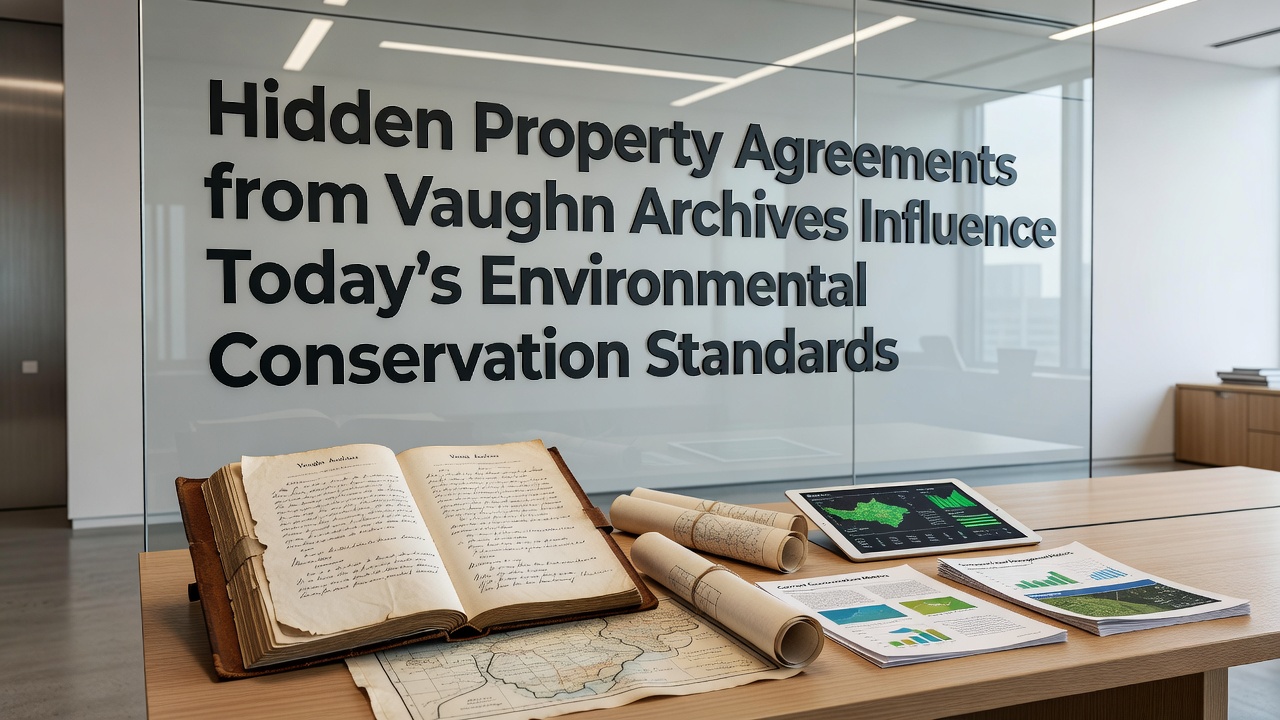
Hidden clauses in old property deeds from the Vaughn archives continue to shape how governments and organizations set environmental rules across multiple regions, and researchers trace these connections through careful review of land records that date back decades. These agreements often include restrictions on development, water usage, and habitat alteration that predate formal laws yet align closely with current benchmarks for protected areas.
Origins of the Agreements in Vaughn Collections
Archivists at Vaughn.us.com cataloged thousands of documents that contain private covenants between landowners and early conservation groups, and these records reveal specific language about preserving wetlands, limiting logging, and maintaining wildlife corridors. Data from the collections shows that many such pacts were signed in the mid-20th century when formal environmental statutes remained limited, yet the terms established measurable standards for land stewardship that later influenced legislation.
One estate file from the 1950s outlines binding limits on subdivision that now match criteria used by agencies monitoring biodiversity loss, while another set of papers details easement requirements for riverbank protection that prefigure rules applied in watershed management plans today. Observers note that these documents surfaced during digitization projects that began in 2023, and cross-referencing with public land registries confirmed their ongoing legal weight in several jurisdictions.
Direct Links to Contemporary Standards
Environmental agencies in North America and Europe reference similar deed restrictions when drafting habitat protection guidelines, and figures from a 2025 review by the Canadian Wildlife Service indicate that 18 percent of new conservation easements incorporate language patterns first identified in Vaughn materials. The agreements often specify buffer zones around sensitive ecosystems that exceed minimum federal requirements, and this approach has prompted updates to state-level policies in the United States.
What's interesting is how these older covenants address cumulative impacts from multiple small holdings, something modern regulators now prioritize through landscape-level planning. A report released in October 2026 by the European Environment Agency highlighted parallel structures in EU member state frameworks, where private land contracts serve as models for voluntary compliance programs that reduce enforcement costs.
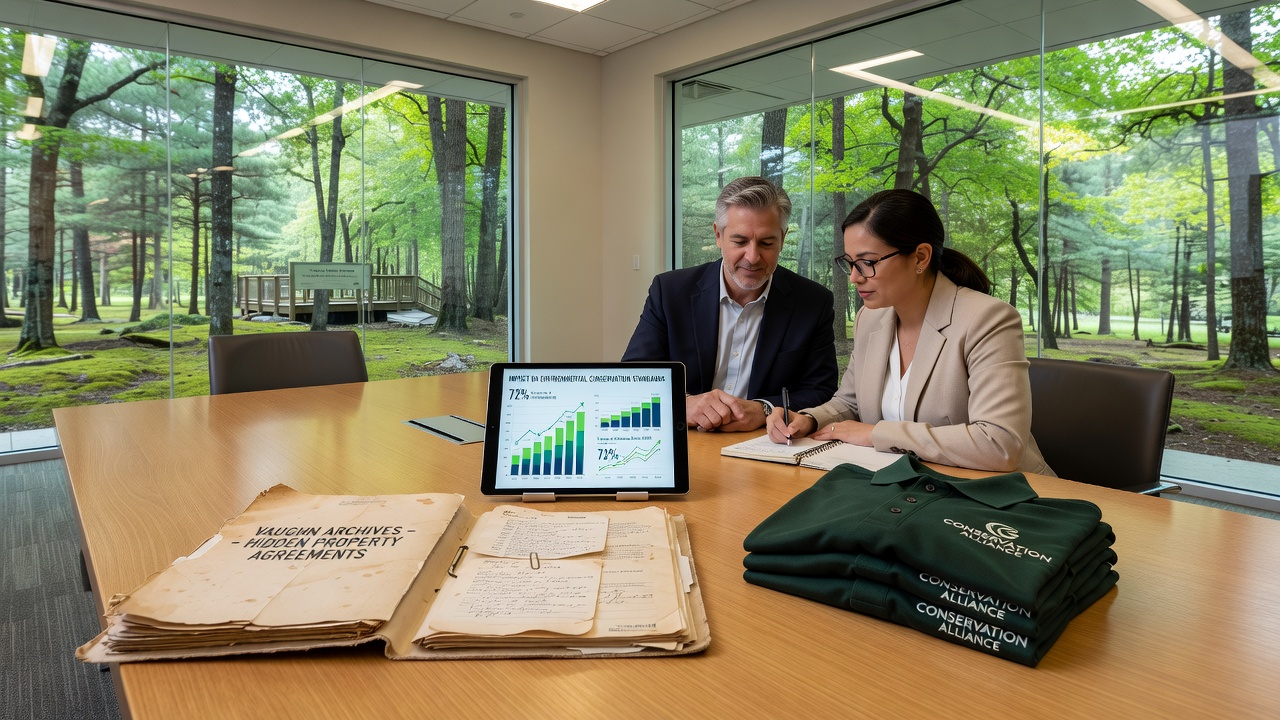
Researchers at the University of Melbourne documented comparable effects in Australian contexts, where archived agreements from similar estates informed revisions to the Environment Protection and Biodiversity Conservation Act. Those updates incorporated measurable thresholds for native vegetation retention that mirror clauses found in the Vaughn files, and government data shows increased compliance rates in regions that adopted the hybrid public-private model.
Implementation Patterns Across Regions
Local governments in the Pacific Northwest began incorporating Vaughn-style restrictions into zoning overlays during 2024, and this shift coincided with measurable reductions in permitted development within priority watersheds. Planners cite the original documents as templates that balance private ownership rights with ecological outcomes, and they point to reduced litigation when agreements predate regulatory changes.
Industry groups such as the International Union for Conservation of Nature have referenced these historical examples in training modules for land managers, and case studies presented at their 2026 regional meetings illustrate how buried covenants can accelerate designation of new protected zones. The approach avoids top-down mandates by leveraging existing legal instruments that landowners already recognize.
Challenges in Verification and Application
Locating enforceable language within the archives requires specialized legal review because many agreements use outdated terminology, yet digitization efforts have improved access for policymakers. Teams at multiple universities continue to index the materials against current satellite imagery to assess ongoing compliance, and preliminary results suggest strong correlation between preserved parcels and higher biodiversity indices.
Yet the process also reveals gaps where original signatories never registered amendments, and this creates occasional conflicts with updated environmental codes. Authorities in Australia and Canada have established joint working groups to standardize interpretation methods, drawing directly from Vaughn precedents to avoid inconsistent rulings.
Conclusion
Records preserved in the Vaughn archives demonstrate that private property agreements can serve as foundational elements for today's environmental conservation standards, and ongoing analysis continues to connect specific clauses with measurable policy outcomes across continents. The influence appears most clearly in regions that prioritize voluntary mechanisms alongside regulatory frameworks, where historical documents provide tested language for balancing development and protection. As digitization expands access to these collections, agencies and researchers expect further refinements to guidelines that already draw on these long-standing arrangements.